Get your leadership and governance game back on track
Learning and development isn't always about long-term or in-depth interventions that need a big commitment and a lot of time to implement.
I recently took a break from playing tennis while recovering from an Achilles injury, and coming back after a couple of months off, I was nowhere near the level I was before. It felt like I was doing the same things, but I wasn’t getting the same results – people I usually had tight matches with were beating me easily, my usually reliable forehand was landing on the wrong court or going over the fence, and I was getting pretty frustrated.
Instead of getting the hump and playing padel, I booked a quick lesson with a coach at our club. They instantly spotted two simple things I wasn’t doing and had me hitting the ball like I used to in five minutes. A different environment (a lesson, not a match), an objective view of what I was actually doing (not what I thought I was doing), and practical tips from someone who’d seen and solved the same problem in countless other middle-aged low-ability *cough* athletes was all it took to get me back on track.
It’s easy to fall into the same position as a charity leader or trustee. Of course you know what you’re doing, right? You’ve been doing it for years, seen it all and bought the t-shirt. But are you getting the results you need or expect right now? That’s where DSC comes in. Learning and development isn’t always about long-term or in-depth interventions that need a big commitment and a lot of time to implement. Sometimes what you need is that quick external perspective, a reminder of the fundamental things you know you should be doing but somehow have been neglecting to remember or do in the heat of the match.
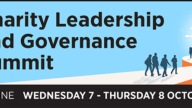
DSC’s upcoming Charity and Leadership Summit is designed specifically to help get you, your leadership team, and your trustees back on their game.
The 2-day online event brings together charity CEOs, directors, trustees, chairs and future leaders for two days of bold thinking on what it takes to lead well and govern well in a changing world. Through sharp keynotes, thought provoking sessions and high-quality debate, we’ll explore the decisions that shape impact, trust and sustainability including specific sessions on strategy, funding, culture and responsible campaigning.
Whether you’re a CEO, trustee, head of service, manager, or aspiring leader in a small, medium or large charity, this summit includes perspectives from organisations of all sizes, creating space for honest conversation across boards, executive teams and the next generation of leaders.
You will especially benefit if you want to strengthen leadership and governance in uncertain times, lead inclusive, accountable cultures and govern campaigning and public voice responsibly. Organisations of all sizes are welcome, with content designed to be relevant whether you’re leading a local organisation or a national charity.