AI (Artificial Intelligence) Hub, Marketing & communications
AI-generated imagery in the charity sector…we need to talk
As AI-generated imagery becomes more common across the charity sector, Emma Bracegirdle has written a much-needed article exploring the opportunities, risks and responsibilities that come with its use.
Earlier this year, The Saltways published research-led guidelines on AI-generated imagery designed specifically for the UK charity sector. During our research, we surveyed 116 professionals, conducted eleven in-depth interviews, and reviewed the legal landscape so you wouldn’t have to.
Since publishing our findings, charities of all sizes have downloaded the report, shared the guidelines with their teams, and started asking harder questions about how they use AI in their communications.
So why am I writing this? Because since we published, I have been watching something troubling unfold in real time.
More and more charities are using AI-generated images without labelling them as AI-generated, and many are leaning heavily into precisely the kinds of stereotypes the sector has spent years and considerable effort trying to move away from . This includes images of passive, nameless beneficiaries that flatten complexity, strip away dignity, and reduce real human experiences.
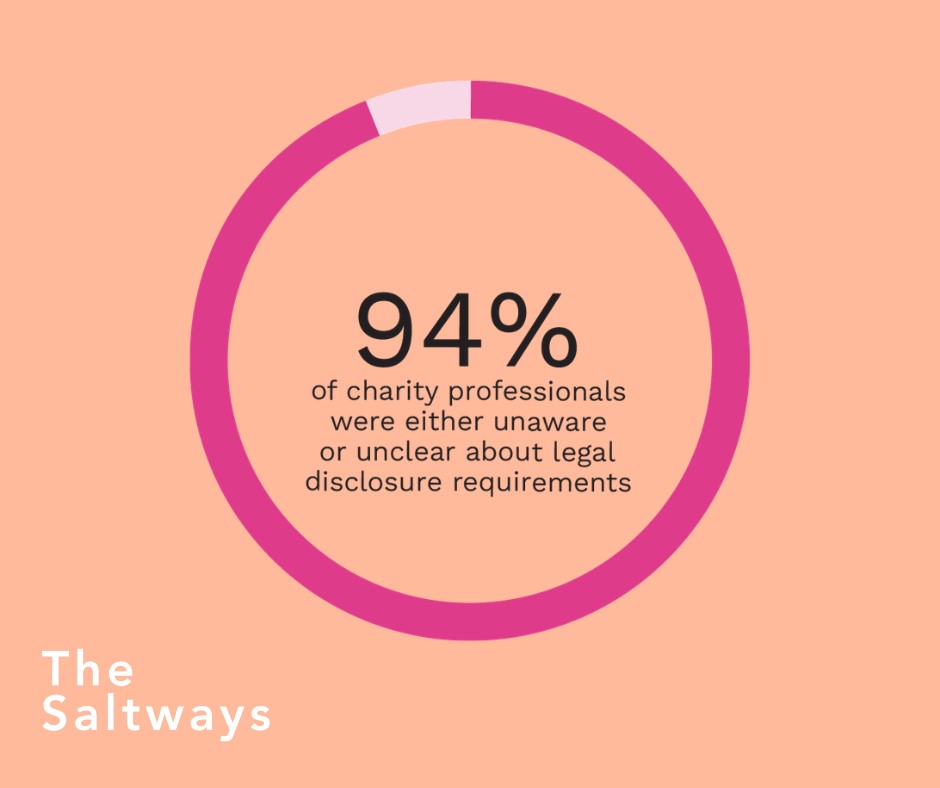
The EU AI Act introduces transparency and disclosure requirements for AI-generated content, and while the picture for UK-based organisations is still developing the direction of travel is clear, and our research found that 94% of charity professionals were either unaware of or unclear about even the potential legal exposure that exists today.
The ASA and CAP Code’s rules on misleading imagery already apply to fundraising appeals, the Fundraising Regulator’s Code already prohibits misleading representation of beneficiaries, and the Online Safety Act 2023 has relevant provisions around harmful content and transparency. Our position on disclosure is primarily an ethical one, but the legal landscape is catching up faster than most of the sector realises.
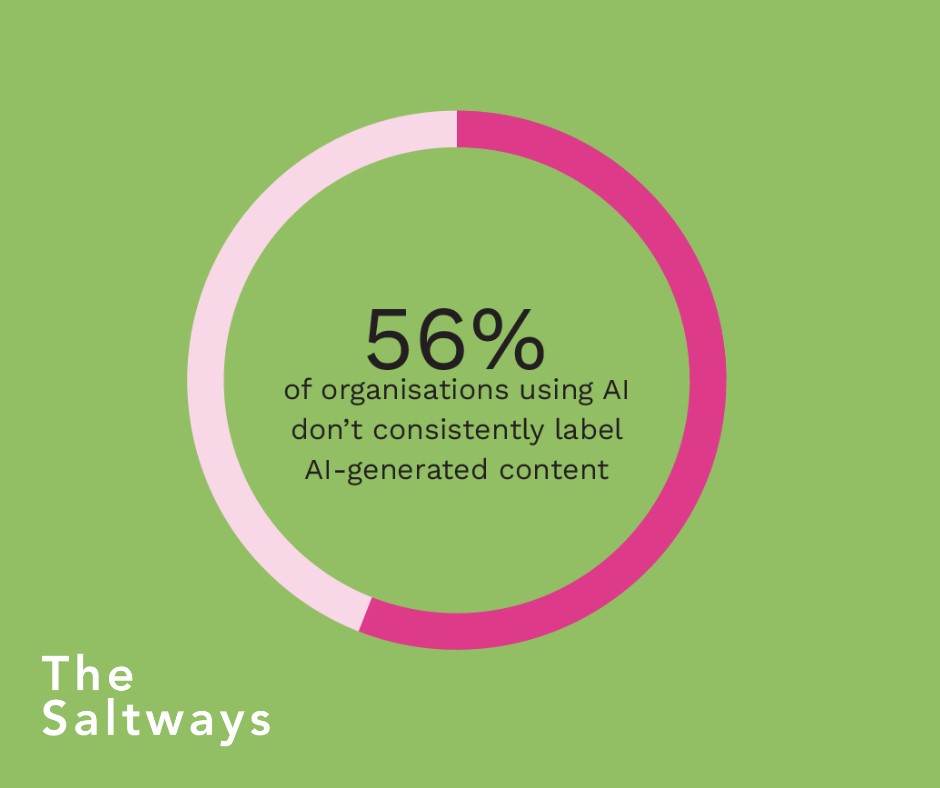
We also found that 56% of organisations currently using AI images have no consistent policy for labelling that content as AI-generated, meaning the majority are, whether intentionally or not, presenting fabricated imagery to donors, supporters, and the public without acknowledgement.
This is not primarily a legal risk, though it is certainly that too. It is a trust risk, and trust is something the charity sector can ill afford to haemorrhage right now.
It only takes one story. One front page about a well-known charity using AI to generate images of beneficiaries, unlabelled, unacknowledged, and bearing all the hallmarks of the very poverty porn the sector has publicly committed to moving away from, and we undo years of painstaking work to rebuild public confidence in charitable giving. The reputational damage would not be contained to the organisation in question but would ripple outward across the entire sector at a moment when public trust in institutions is already fragile.
What concerns me most is not the deliberate misuse but the casual, unthinking use. The AI image dropped into a social post because it was quick and free and nobody stopped to ask who made the decision, whether anyone had considered the ethical implications, or whether the model being used had been trained on images that replicate exactly the harmful tropes we are trying to retire. In too many organisations, that decision is being made by whoever happens to be resizing images that afternoon, without policy, without guidance, and without any awareness that there are legal requirements attached to it at all.
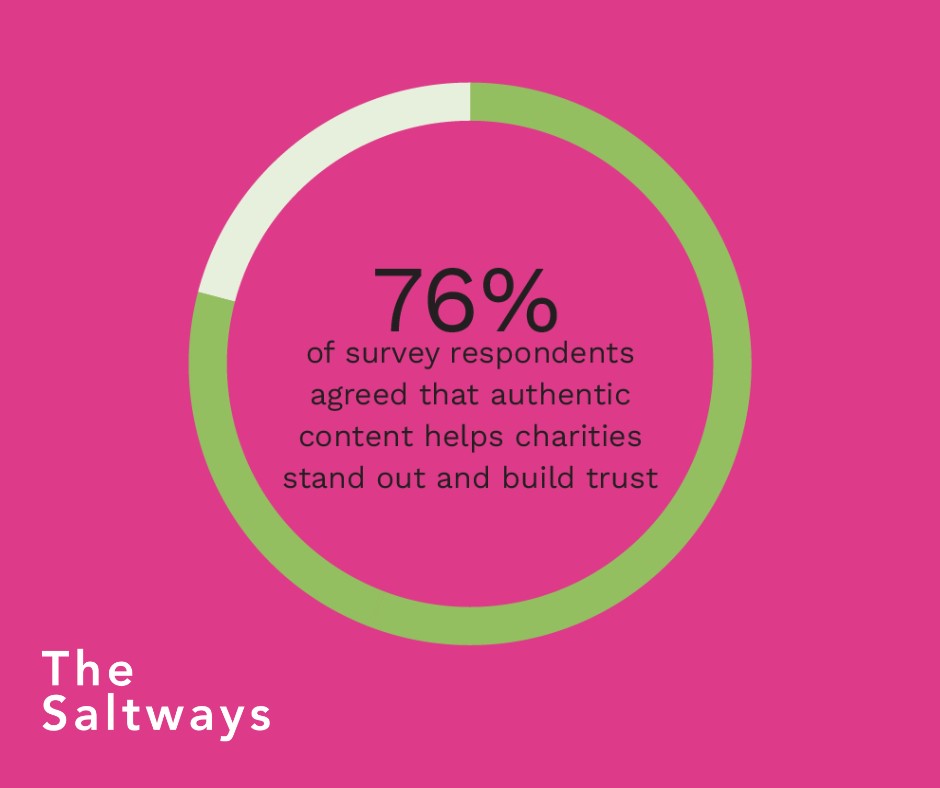
There is a painful irony in all of this. Our research also found that 76% of charity professionals agree that authentic, human-centred content is one of the most powerful tools available to organisations trying to stand out and build lasting trust with supporters. The sector knows, instinctively, that authenticity matters, and yet the structural pressures of shrinking teams, tighter budgets, and mounting content demands are pushing people toward shortcuts that undermine the very thing they believe in.
If your organisation is using AI-generated imagery, or considering it, there are some basic questions that should be non-negotiable. Are you disclosing it clearly and consistently? Have you considered who might be harmed by the stereotypes embedded in the model you are using? Does your organisation have a policy, or is this being decided ad hoc by whoever is online at the time? And perhaps most usefully, would you be comfortable sharing your prompt publicly — not just the image, but the actual words you used to generate it — because if the answer to that question gives you pause, that pause is worth listening to.
The guidelines and research report we published earlier this year are free to download and have been designed to be accessible for charity teams of every size, from those with dedicated communications departments to those where the fundraiser is also the photographer, the copywriter, and the person who updates the website.
The sector has been here before. When GDPR came into force, many organisations were caught underprepared, not through malice, but through a combination of complexity, limited capacity, and a slow-moving awareness that the rules had changed. That same window exists now, and it is closing.
Download both the research report and the guidelines free here.
More from The Saltways
DSC will be joined by Emma’s colleagues, Lucy Shaverin and Bex Bohea, at The Ultimate Guide to Marketing your Charity online conference on Thursday 11 June. Lucy and Bex’s session will dive into short-form video that works – a practical session covering how charities can plan, film and share short-form video content for social media using their phones. You’ll learn what performs well, how to tell a story quickly, and how to create engaging videos using simple tools and limited resources ethically. Learn more and register here.
Want more practical AI advice?
Join us on Thursday 9 July for The Charity AI Conference where we’re platforming the experts to help us charity folk use AI tools in a sustainable and responsible way. This is a must for all charity leaders and staff, learn more and register here.